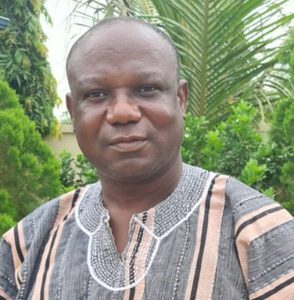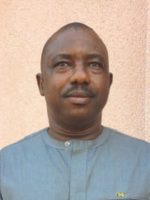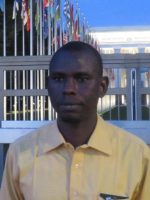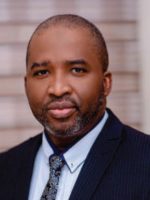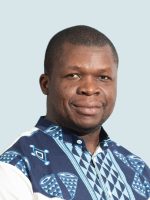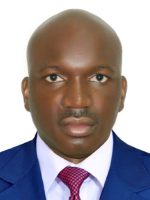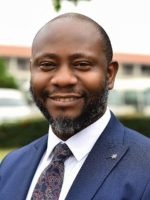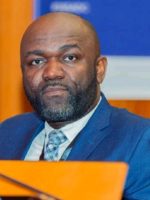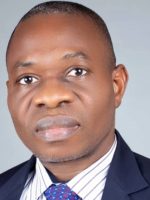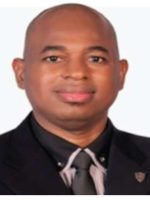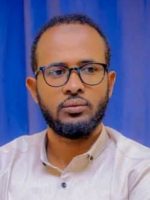
Dr Peter Badimak Yaro is a public mental health and development specialist with over two decades of experience working in Ghana and sub-Saharan Africa. He is currently the Executive Director of BasicNeeds-Ghana.
His work focuses on addressing gaps in access to mental health and psychosocial support (MHPSS) services, while also tackling poverty, vulnerability, discrimination, and social exclusion. He is committed to advancing community-based and integrated mental health care within primary health care systems in Ghana.
Over the past years, Dr Yaro has concentrated on strengthening mental health integration at the primary health care level and promoting the right to treatment for persons living with mental health conditions, with a strong emphasis on equitable and community-driven approaches.
I recent years, Peter has led his organisation, BasicNeeds-Ghana, to focus on perinatal mental health. Maternal mental health remains an under-recognised aspect of mental health despite its profound impact on the mental health and wellbeing of pregnant women and adolescent and postpartum/ post-natal mothers.
He has worked closely with the Ghana Health Service, Ghana Mental Health Authority and the World Health Organisation country office in Ghana, as well as several NGOs and community organisations, to enhance the screening for common mental health conditions among pregnant woman and postpartum mothers and the provision of psychosocial support and medical treatment to those with mental healthcare needs. He has served in Technical Working Groups representing civil society organisations promoting and supporting lived experience perspectives.
Peter states that, “I have also been instrumental in the development of the national maternal mental health policy for Ghana in April 2026. Having actively implemented projects, advocated for, and served in Technical Working Groups in the development of the policy and an eventual programme to be rolled out nationwide. There is some way to go but the efforts I have led so far can no longer make maternal mental health obscure but remain a key health and development issue in Ghana.”
Peter currently leads a project focused on integrating Mental Health and Psychosocial Support Services (MHPSS) into HIV and TB response, especially among pregnant women and girls, postpartum mothers living with or at risk of HIV/TB as well as survivors of Gender-Based Violence (GBV) and or Intimate Partner Violence (IPV). This initiative is funded by Expertise France.
As convener of the Mental Health Alliance, Peter rallies over 120 CSOs/NGOs/CBOs and individuals with mental health and disability lived experience to advocate for the basic needs and basic rights of persons living with and or affected by mental health conditions, seeking improved access to social services for them, particularly, access to and benefit from the National Health Insurance Scheme, the District Assembly Disability Comon Fund, and the government Livelihoods Empowerment Against Poverty (LEAP) cash grants.
He is a co-investigator of the ‘NIHR Global Health Research Group on Improving outcomes of Homeless People with severe mental illness in Africa (HOPE)’ in Ghana, a three-country programme implemented in Ethiopia, Ghana, and Kenya, led by Prof. Charlotte Hanlon. A groundbreaking implementation study of intervention to improve health and wellbeing of homeless people. Peter is also a collaborator in Ghana on the ‘Health and Related Sustainable Development Goals (HHSDGs) Think Tank under the ‘Consortia to address Climate, Health and Complex Challenges (CHOICE)’ programme funded by Canada IDRC and led by Prof. David DOKU, as well as on the ‘NIHR Global Health Research Group on Interventions for Youth with Depression and Anxiety Disorders in African Countries (YMIND Africa)’ led by Prof. Melanie Abas, the ‘Heat Exposure, Sleep, Cognition and MentAl Health: Mechanisms of Climate Change ImPacts on VulnErable Groups in Two Sub-Saharan Africa Countries – HEATSCAPE-Africa’ led by Prof. Benedict Weobong
Peter remains committed to enhancing the frontiers of public mental health and extends appreciation for the training in public health leadership that the Kofi Annan Global Health Leadership Fellowship has provided him.