
As Africa undergoes profound epidemiological transition, life expectancy rises and health systems continue to improve, but Non-Communicable Diseases (NCDs) have emerged as a defining public health challenge.
Cardiovascular diseases, diabetes, cancers, chronic respiratory diseases, and mental health conditions are rising rapidly across every region of the continent, increasingly affecting people in the prime of their lives and driving premature mortality, disability, household impoverishment, and sustained pressure on health systems and economies.
“This growing burden is not only changing who becomes ill and dies; it is changing the very demands placed on our health systems, our economies, and our societies,” said Dr Raji Tajudeen, Acting Deputy Director General of Africa CDC.
Despite this growing burden, surveillance systems for NCDs remain fragmented and under-resourced in many countries, limiting governments’ ability to detect, monitor, and respond effectively. In too many settings, people live for years with high blood pressure or diabetes without diagnosis, and many others are diagnosed but not retained in care, he added.
“Our central problem is that NCD programmes are centralized and weak with for example only about 10-20% of people with hypertension or diabetes have access to regular care. We now have the highest incidence of these conditions in the world and, by some margin, the worst rates of control,” said Dr Abdulaziz Mohammed, Head of the Division of NCDs, Injuries and Mental Health at Africa Centres for Disease Control and Prevention (Africa CDC).
Africa CDC has launched a major continental initiative to strengthen surveillance, improve integrated care, and transform the continent’s response to non-communicable diseases. The tool for intervention is a new programme, Strengthening Public Health Surveillance and Resilient Knowledge for Non-Communicable Diseases in Africa (SPARK–NCD).
Betty Kabarega Ingabire, Senior Technical Officer-NCD, Injuries and Mental Health, Africa CDC said, SPARK–NCD focuses on building frontline epidemiology and surveillance competencies for NCDs by adapting practical, field-oriented training models that equip public health professionals with skills in data collection, analysis, interpretation, and use for decision-making.
The program also promotes integration of NCD surveillance into existing public health systems, leveraging lessons from communicable disease surveillance to improve coordination, efficiency, and country ownership, she explained.
Eleven implementing countries and technical partners are collaborating with Africa CDC supporting implementation through curriculum adaptation, mentorship systems, stakeholder engagement, and development of monitoring and evaluation frameworks to track progress and impact.
“The program incorporates implementation research and continuous learning approaches to better understand how strengthening workforce capacity can improve NCD surveillance and health system performance. By fostering peer learning, country collaboration, and institutional ownership, SPARK-NCD contributes to advancing resilient public health systems capable of responding to the growing burden of NCDs across Africa,” said Kabarega Ingabire.
The initiative aligns with the recently adopted African Union Common Position on Multisectoral Engagement, Coordination and Action for NCDs, injuries, and mental health, reinforcing a whole-of-government and whole-of-society approach to prevention, surveillance, and care.
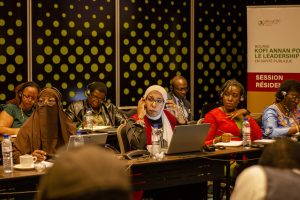
Tanzania like many countries across Africa, continues to face the double burden of sustaining progress in HIV care while responding to the rapidly rising burden of NCDs. Against this backdrop, Zanzibar hosted the high-level continental launch of the SPARK- NCD programme marking a continental milestone in advancing Africa-led, sustainable, and systems-based approaches to strengthening NCDs surveillance and integrated care across the continent.
“We are treating HIV successfully, —but our patients are now developing hypertension, diabetes, and complications we are not adequately prepared for. These are no longer separate problems,” said Omar Mwalim senior official from the Ministry of Health Zanzibar.
“SPARK–NCD is a strategic investment in public health architecture. It will support countries move from fragmented data to actionable intelligence, and from isolated programmes to integrated, people-centred care,” said Dr Tajudeen.
The programme reflects a clear recognition that Africa can no longer afford to treat NCDs as a silent crisis at the margins of public health planning, and that surveillance, prevention, and integrated chronic disease care must become central pillars of Africa’s health security and sovereignty, Dr Tajudeen said.
SPARK–NCD Programme, a flagship workforce development and surveillance strengthening initiative will embed NCD surveillance competencies within existing public health systems, particularly through the Field Epidemiology Training Programme (FETP) Frontline platform. HIV programmes in Africa achieve excellent outcomes, almost as good as anywhere in the world. However, HIV programmes sit separately from NCD programmes and until now, there has been no sharing of resources or of learning between them.
For the past 10 years, researchers from Tanzania and Uganda in collaboration with researchers across Europe, policymakers and other stakeholders have explored models to integrate HIV and NCDs services. This work has focused on assessing whether HIV and NCD care can be delivered through unified service platforms and examining the feasibility of extending selected integrated services to community-based delivery points beyond traditional health facility settings.
A high-level policy dialogue drawing on more than a decade of research from Tanzania and Uganda, demonstrated that integrating HIV and NCD services is safe, equitable, cost-effective, and improves access without compromising HIV outcomes preceded the SPARK-NCD continental Launch event.
The evidence also showed that community-based models can achieve comparable clinical outcomes while reducing costs and helping decongest health facilities. These findings indicate an opportunity for Africa to build on the success of its HIV response for improved outcomes on other high burden diseases such as NCDs.
“For too long, HIV and NCD programmes have operated in silos, with limited sharing of resources, workforce models, and implementation lessons. The evidence now shows that bringing HIV and NCD care under one roof — and delivering more services closer to communities — is both feasible and effective,” said Dr Mohammed.
Katie Dain, Chief Executive Officer of the NCD Alliance, a global network of NCDs civil society organisations, said as life expectancy of people living with HIV increase — by 2030, more than one in five people living with HIV globally will be over 50 —co-morbidities and multimorbidity is becoming increasingly common. “People living with HIV face significantly higher risks of NCDs, including CVD, depression, diabetes, and various cancers,” Dain said.
Dain highlighted that integrated services have been shown to reduce fragmentation and siloes in health systems, presenting a holistic, people-centred care and positive health outcomes for NCDs and HIV, while the quality of care for people living with NCDs goes up and increases retention in care. Patients enjoy reduced travel costs and time spent at health facilities and for health services through reduced duplication of services.
“We already have powerful lessons from some of the strongest and most successful programmes on the continent particularly our HIV programmes. Across Africa, HIV programmes have demonstrated what is possible when we invest in systems, workforce, continuity of care, patient-centred models, and community engagement. And yet, for too long, these strengths have often remained siloed from the response to NCDs,” said Dr Tajudeen.
Dr Saada Mkuya Salum, Minister of Health, Zanzibar, described the launch of SPARK–NCD Programme marks a significant and timely milestone for Africa. “It represents a collective step forward in addressing the dual burden of communicable and non-communicable diseases through approaches that are grounded in evidence and strengthened by partnership,” he said.
Dr Tajudeen appealed to AU member states use SPARK–NCDs to strengthen national ownership of NCD surveillance and integrated chronic disease care. “Let us invest in systems that are built to last and let us place NCDs where they belong at the centre of national public health planning,” he said.
Funded by the Novo Nordisk Foundation, SPARK–NCD’s implementation is taking place across eleven countries in the Eastern Africa; Kenya, Rwanda, Ethiopia, Tanzania, South Sudan and Somalia and Southern Africa; Lesotho, Namibia, Eswatini, Botswana and Zambia regions. So far SPARK–NCDs implementation, has started in Zambia, Rwanda, Tanzania and Ethiopia.