
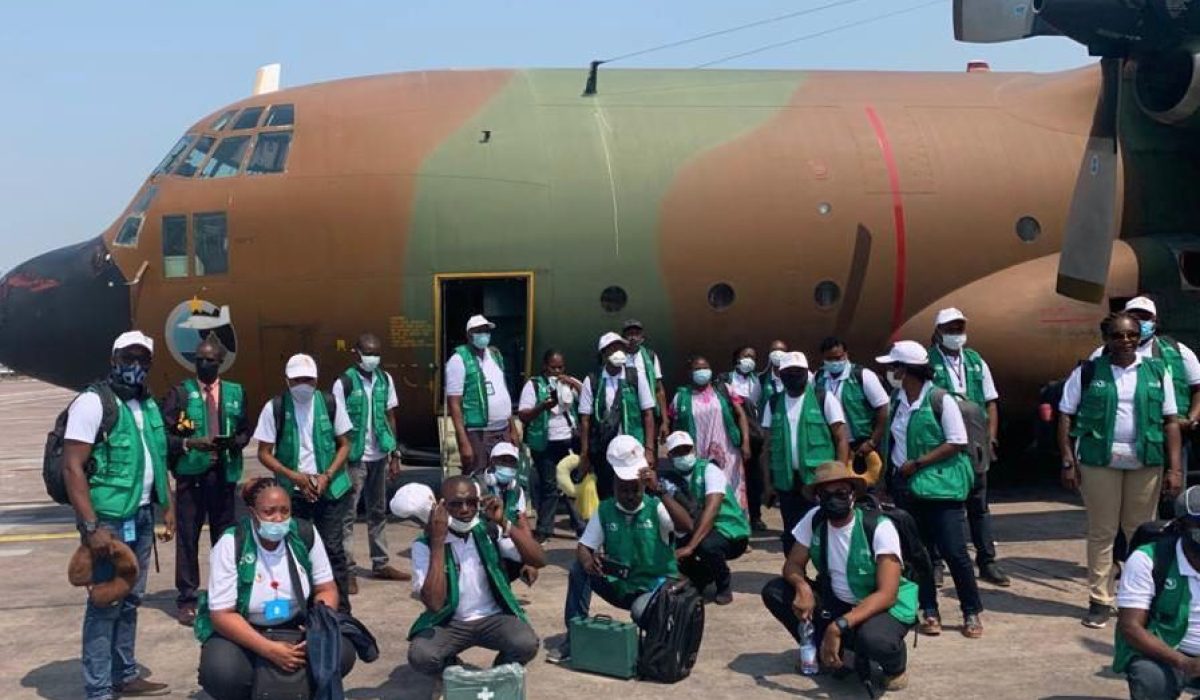
The African Epidemic Services (AES) is an elite workforce initiative hosted and directed by the African Union. It includes three specialized tracks: Epidemiology, Laboratory Leadership, and Public Health Informatics. These programs have been meticulously designed based on the priorities identified in the Africa CDC’s workforce development framework.
Epidemiology Track
The Epidemiology track is a two-year competency based applied epidemiology training program that aims to strengthen the prevention and response capacity of African Union Member States. This fellowship program aims to cultivate a skilled workforce through service-based learning and responding through evidence to public health threats in Africa utilizing evidence-based methodologies for investigation, assessment and public health action. This fellowship program is a two-year, competency-based training that includes 3 months of didactic training and 21 months of intensive field training at selected host sites across Africa.
Public Health Informatics Track
The Public Health Informatics track aims to equip African professionals with public health informatics competencies for the digital age, so they can develop, manage, and lead informatics-savvy health organizations, and improve population health outcomes in Africa. The PHI fellowship is a flagship project within Africa CDC’s Digital Transformation Strategy and addresses programmatic goals set within the Framework for Workforce Development.
The AES-PHI training is designed as a two-year applied fellowship program featuring 80% practical and 20% didactic training delivered as in-person and virtual sessions with intervals of practical learning at designated host sites (Ministries of Health, National Public Health Institutes and Africa CDC Headquarters).
Laboratory Leadership Track
The Laboratory Leadership track is a 12-month structured program that combines in-person workshops, virtual learning, mentorship, applied outbreak response, and a capstone project. Two months are dedicated to in-person workshops, while the remaining 10 months focus on applied learning at a host site in an African Union Member State, complemented by virtual sessions. Throughout the program, fellows progressively develop competencies across the eight leadership domains, complete learning modules, and apply their skills in real-world laboratory and public health settings. This integrated approach ensures the practical application of leadership, management, and technical skills while strengthening national and regional laboratory systems.