
World Patient Safety Day 2026 · 17 September 2026
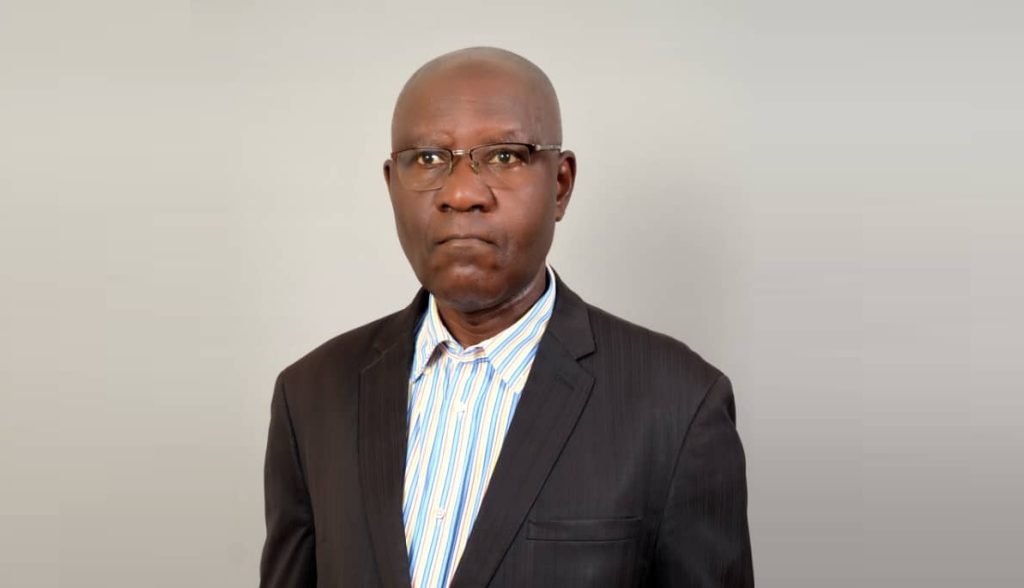
Joseph Rukelibuga experienced a stroke at his home in Kigali. His wife took him to the nearest referral hospital soon after his symptoms began. Like many stroke patients, however, his diagnosis still took several hours, narrowing the treatment options available to him. Today, Joseph is the founder and Chair of Stroke Action Rwanda, an organization working to reduce the burden of stroke through prevention, treatment, and long-term support. On this World Patient Safety Day, themed: Safe care for noncommunicable diseases · He shares his journey and why timely diagnosis can give patients a fighting chance.
A Stroke at Dawn
Joseph had been living with type 2 diabetes and hypertension for more than seven years when, on 20 June 2016, his life changed. At around 4 a.m., he woke up feeling thirsty and tried to get up for water. He could not move. The left side of his body, including his arm, was paralyzed.
He alerted his wife. She switched on the light, noticed that his face was uneven and that his arm was weak, helped him get dressed, and the couple reached a tertiary hospital within about ten minutes.
At the hospital, a general practitioner treated Joseph’s dangerously high blood sugar and blood pressure and told him he might have had a stroke, though he did not yet understand what that meant. He was admitted to a general ward to wait for a specialist.
The specialist did not arrive until around 9 a.m. some five hours after Joseph’s symptoms began and ordered an MRI, which was carried out at around 2 p.m. The result was inconclusive. It was only the following day, after an ultrasound of his carotid artery, that doctors confirmed Joseph had suffered an ischemic stroke with left-sided hemiplegia, caused by a blocked blood vessel in the brain.
By then, thrombolysis (a treatment that can limit the damage caused by this type of stroke) was no longer considered safe. “I still wonder why it took so long,” Joseph reflects. “I believe that delay prevented me from receiving treatment that might have reduced some of the disabilities I live with today.”
Despite the delay, Joseph points to several factors that helped him feel cared for. He reached one of the country’s best tertiary hospitals within minutes of his symptoms starting. Health insurance through his employer meant he was confident he could afford treatment and medicines. His wife stayed by his side throughout, and senior managers from his employer visited the next day.
Communication also made a difference. “The health workers explained that, because the diagnosis had been made late, thrombolysis was no longer considered safe for me and could cause harm,” he recalls. “They told me about the treatment they would provide. I felt informed and was able to follow what they were doing.”
“I was supported by my family and supported by my employer. All those things gave me a feeling of being safe in care.”
Still, Joseph is clear that reaching the hospital quickly is not the same as receiving timely care once there. “When I look back at that period before diagnosis, I do not feel that the care was safe,” he says.
“Even if you reach the hospital on time, if you are not cared for quickly, you can face serious challenges in your life.”
After six days in hospital, Joseph went home in a wheelchair. Physiotherapy had been prescribed, but it did not begin until about two weeks after discharge. Neither he nor his family were clearly told where to find rehabilitation services or how to care for him at home. This gap pushed him towards advocacy and, ultimately, towards founding Stroke Action Rwanda to bring survivors together and call for change.
Building Safer Pathways
From his own experience, Joseph identifies three changes that could make stroke care safer:
- Clear stroke-care pathways, so patients are not left waiting in emergency rooms and health workers have clear guidance to act quickly when they see a possible stroke. “Time is very important in stroke,” he says. “Even if a person reaches hospital quickly, delays within the facility can have serious and lasting effects.”
- Better emergency transport. Joseph had access to a car; many stroke survivors do not. By the time they reach a facility without reliable transport, their condition may have deteriorated.
- Planned transitions from hospital to home. Patients should be linked to rehabilitation and given clear follow-up support before discharge, rather than being left to find services on their own. “A poorly managed transition can expose a stroke survivor to falls, worsening health, discouragement and emotional distress,” Joseph says. “People living with noncommunicable diseases need continuity of care so that they are not left without support after discharge.”
For Joseph, safe care does not end at discharge. Stroke survivors can face discrimination, stigma, and isolation, while families who carry the responsibility for recovery alone can become exhausted.
“The community should see a stroke survivor as a human being whose value has not changed. Patients need long-term support, and families should not have to carry the burden alone.”
Safe stroke care depends on rapid recognition, timely assessment and treatment, clear communication, coordinated rehabilitation, and sustained support long after a patient leaves hospital. No patient should be lost between services.
#WorldPatientSafetyDay #NCDs #ReadytoCare