
Addis Ababa, Ethiopia, 15 October 2026 – The African Pooled Procurement Mechanism (APPM) has moved from its pilot phase to a fully-fledged continental programme, with eight African Union Member States having signed the Memorandum of Understanding (MoU) to participate in the initiative.
Another 15 countries have expressed intent to join the initiative, and the Africa Centres for Disease Control and Prevention (Africa CDC) is targeting all 55 African Union Member States to participate in the APPM.
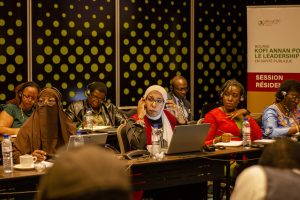
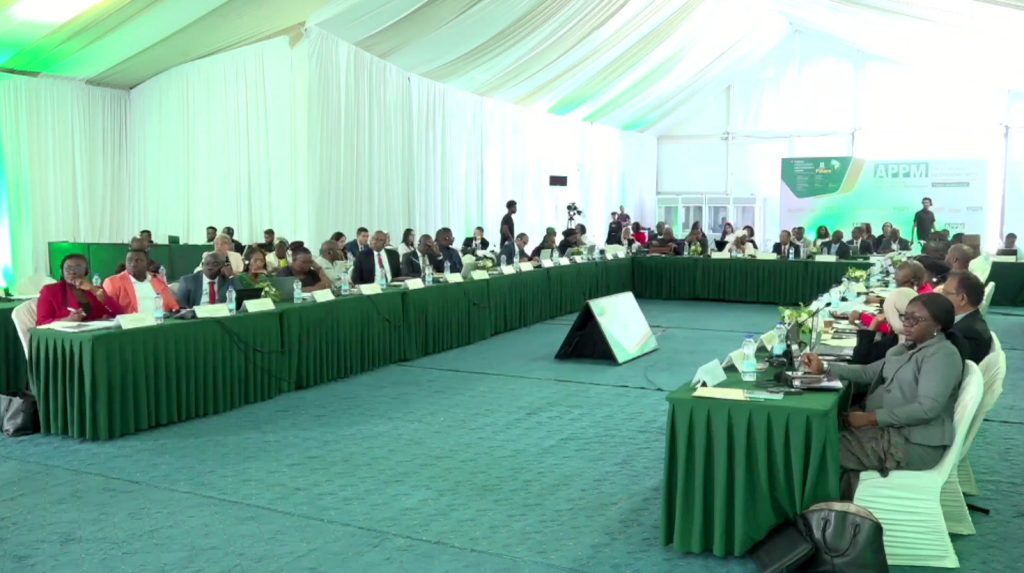
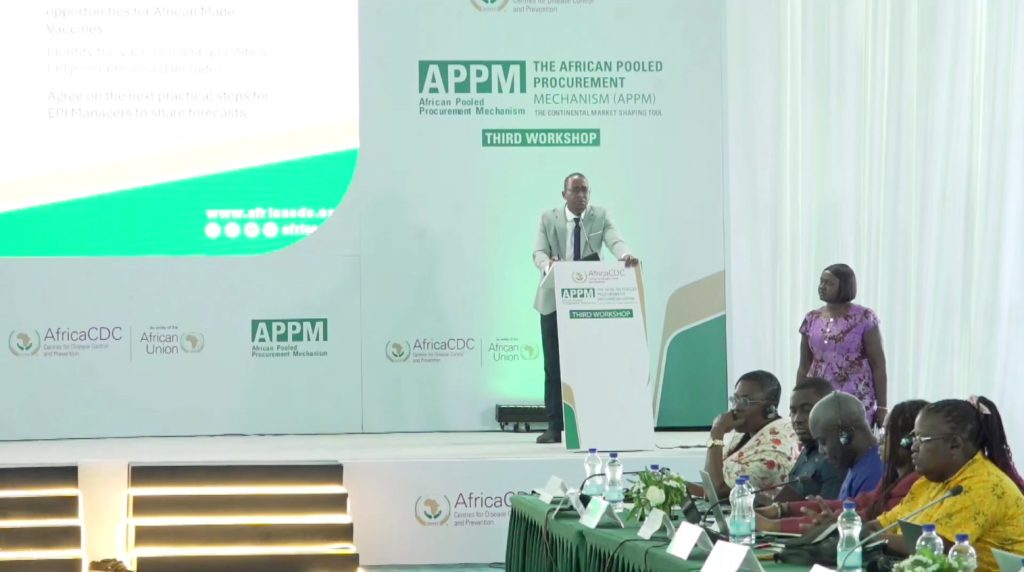
The announcement came at the conclusion of the third APPM Member States Consultative Workshop held in Addis Ababa, marking a shift from political commitment to implementation, in line with African Union directives.
Established by an African Union Assembly decision in February 2024, the APPM is spearheaded by Africa CDC to strengthen collective purchasing of essential health products across the continent.
By pooling demand from Member States, the APPM aims to improve access to affordable, quality-assured health products, strengthen supply security, reduce procurement costs and create predictable, sustainable markets for African manufacturers.
This market-shaping function is central to the vision championed by H.E. Dr William Samoei Ruto, President of the Republic of Kenya and African Union Champion for Local Manufacturing of Health Products: that sustainable manufacturing in Africa must be matched by sustainable markets for products manufactured on the continent.
Thus, the APPM, alongside Regional Pooled Procurement Mechanisms (PPMs), provides an important platform to aggregate demand, strengthen market opportunities and support the growth and competitiveness of African manufacturers.
Guided by the principles of commitment, credibility, compliance, collaboration and sustainability, the APPM aligns with the African Union’s target of producing 60% of the continent’s health products locally by 2040.
To date, the APPM has engaged African manufacturers and is establishing a competitive supplier base for continental procurement through open and transparent tendering processes. Already, 89 manufacturers from 15 African countries have registered with the APPM, reflecting growing interest and confidence in accessing the continental market.
The next step is to establish framework agreements that will set out product specifications, volumes and competitive pricing, providing a more predictable pathway for African manufacturers to supply the continental market.
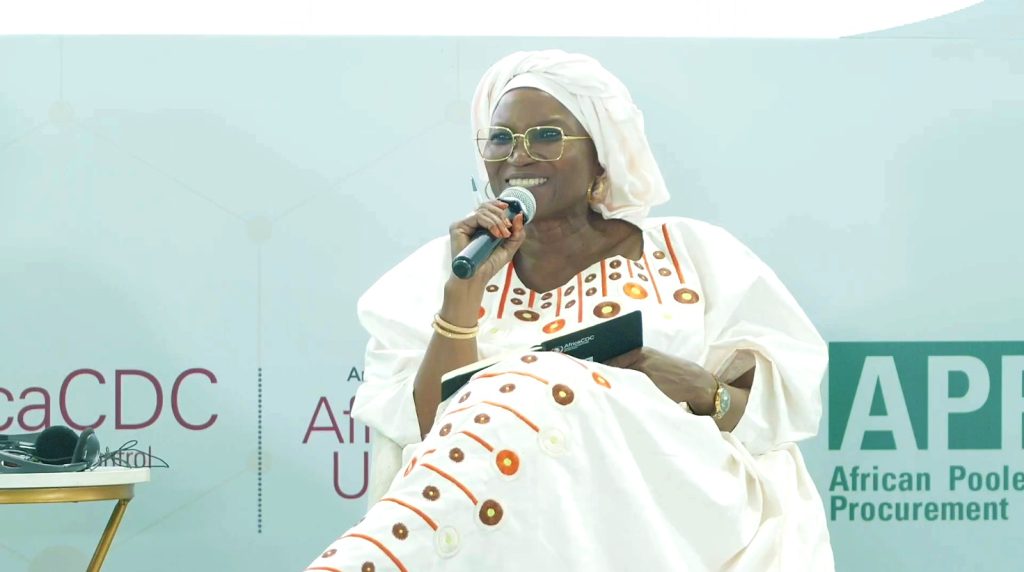
“This is not an Africa CDC initiative. It is our initiative. We succeed, or we fail, it is ours,” said Dr Mariatou Tala Jallow, Director of the APPM at Africa CDC.
She emphasised that the mechanism is designed to complement existing national and regional procurement systems, rather than replace them, while helping to shape a stronger and more predictable continental market for health products.
“Through coordinated procurement, we are not only aggregating demand and achieving economies of scale; we are shaping the market. We have to create the conditions that give manufacturers confidence to invest, scale production and supply the continent. If we want African manufacturers to invest in Africa, we must give them a market in return for those investments,” Dr Jallow said.
Dr Skhumbuzo Ngozwana, Director of Manufacturing at Africa CDC, described APPM as the lever needed to scale and build competitive African manufacturing of health products. “Africa can build the factories, but it must also create the demand to sustain them. Manufacturing builds capacity, APPM creates the market,” said Dr Ngozwana.
He added: “Without APPM, African-made health products remain potential supply. With APPM, that potential becomes reliable supply – supporting sustainable manufacturing, health security and sovereignty across Africa.”
The APPM’s MoU establishes a flexible framework that accommodates the different national procurement, payment and regulatory requirements of Member States.
NRAs will retain responsibility for the regulatory approval and oversight of health products in their respective markets, while the APPM will work closely with NRAs and the African Medicines Agency (AMA) to strengthen regulatory collaboration and support consistent quality assurance across the continent. This includes advancing implementation of the AU Quality Assurance Policy and promoting greater reliance and alignment among national regulatory systems, helping to facilitate access to quality-assured health products and support a more predictable continental market.
Dr Jallow stressed that strong governance, transparent financial management, and reliable payment systems will be critical to the mechanism’s credibility and sustainability.
“You cannot have a successful pooled procurement mechanism if there is no financial credibility,” she said. “The success of APPM will depend not only on how effectively we aggregate demand, but also on our ability to build trust among Member States, manufacturers and other partners through transparent and reliable systems.”


###
About Africa CDC
The Africa Centres for Disease Control and Prevention (Africa CDC) is the African Union’s autonomous public health agency. Established in 2016 and launched in 2017, it works with Member States to strengthen public health systems and improve disease prevention, preparedness and emergency response. Headquartered in Addis Ababa, it operates through five Regional Coordinating Centres. For more information, visit: http://www.africacdc.org and follow Africa CDC on LinkedIn, X, Facebook, and YouTube.Media enquiries: Directorate of Communications and Public Information, Africa CDC | Email: communications@africacdc.org