Mpox

Information on the Mpox the disease, transmission, symptoms, prevention, guidance, updates and Africa CDC’s continental response efforts.

MPox support-01

Monkeypox is a rare viral zoonotic disease caused by a double stranded DNA virus that belongs to the Orthopoxvirus genus of the Poxviridae family. The disease presents with symptoms similar to smallpox but with a lesser severity.

Monkeypox was first discovered in 1958 when two outbreaks of a pox-like disease occurred in colonies of monkeys kept for research, hence the name ‘monkeypox.’ The first human case of monkeypox was recorded in 1970 in the Democratic Republic of the Congo (DRC), which has subsequently spread to other central and western African countries. There are two known clades of the virus: clade I and clade II. The clade I, which is most frequently reported from countries in central Africa, tends to be more severe than clade II. Cameroon is the only country known to harbour both clades.

Key Facts

Download the Africa CDC factsheet that explains everything you need to know about Mpox.

Frequently Asked Questions

What are the symptoms of Mpox?

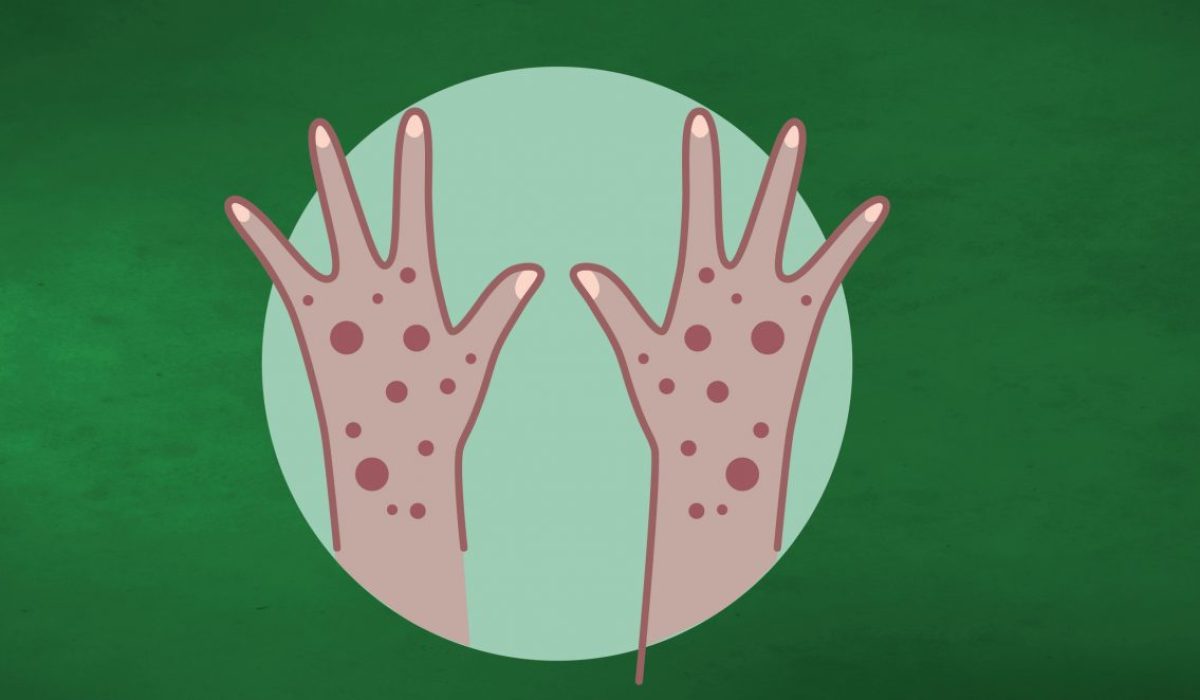
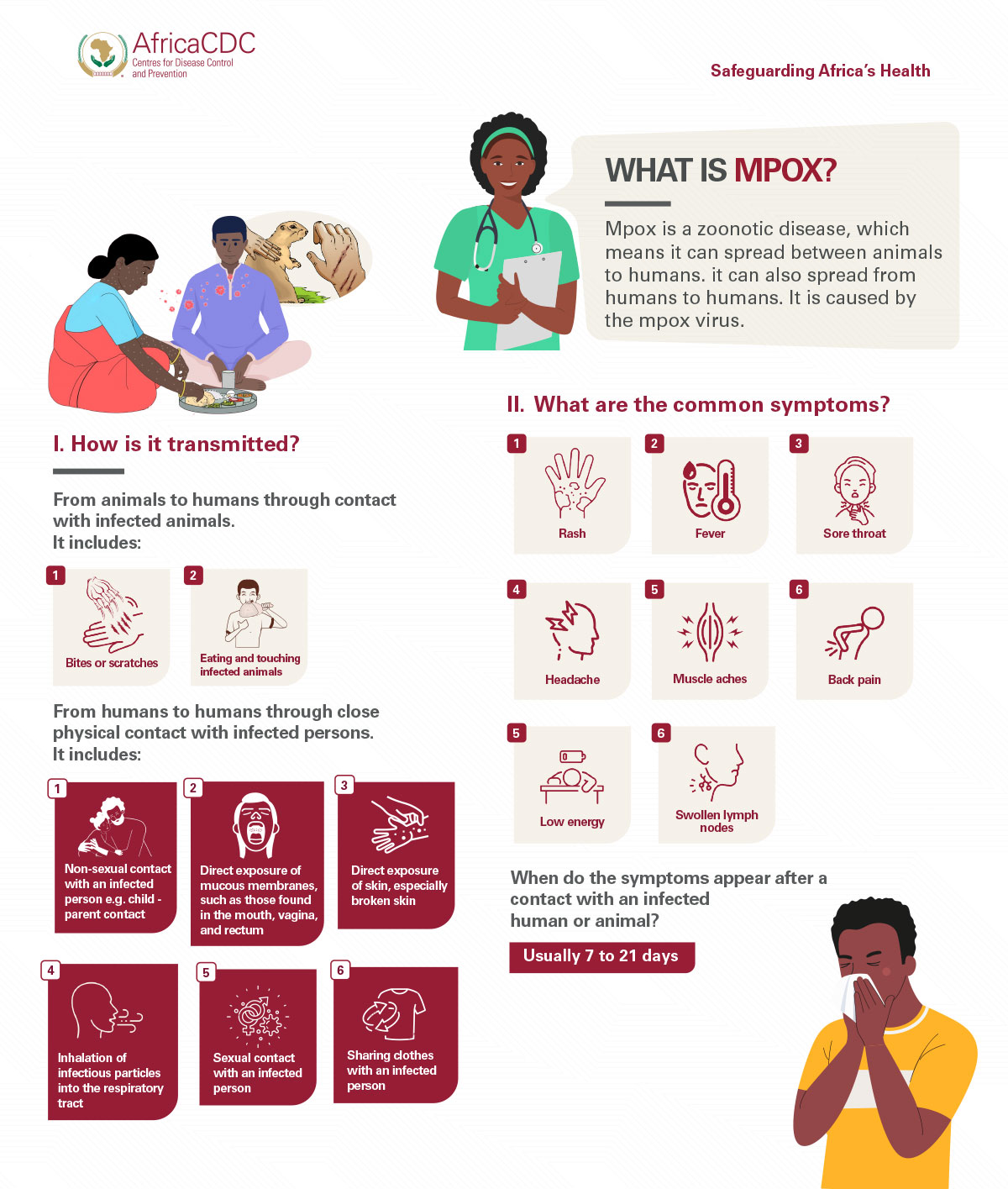
Symptoms of Mpox include fever, rash, and swollen lymph nodes. The rash typically progresses through several stages: macules, papules, vesicles, pustules, and finally crusting and desquamation over a period of 2 to 3 weeks. Other symptoms can include headache, muscle aches, chills, and exhaustion. The disease is self-limiting, with most people recovering within a few weeks if detected and treated early.
How severe is Mpox, and who is most at risk?

Mpox is usually mild, with most people recovering within a few weeks. However, the severity can vary, with Clade I, found mostly in Central Africa, tending to be more severe than Clade II. Immunosuppressed individuals, such as those with HIV/AIDS, are more vulnerable to severe disease.