As the September 2026 UN High-Level Meeting on Pandemic Prevention, Preparedness and Response approaches the global health architecture is under spotlight. Currently characterized by fragmentation, duplication, misaligned priorities, competition, gaps in financing, and persistent power imbalances, it is hoped a reform on the architecture will help effectively respond to outbreaks in the world.
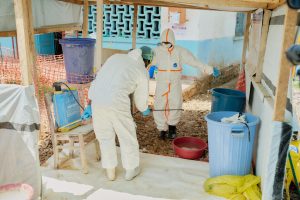
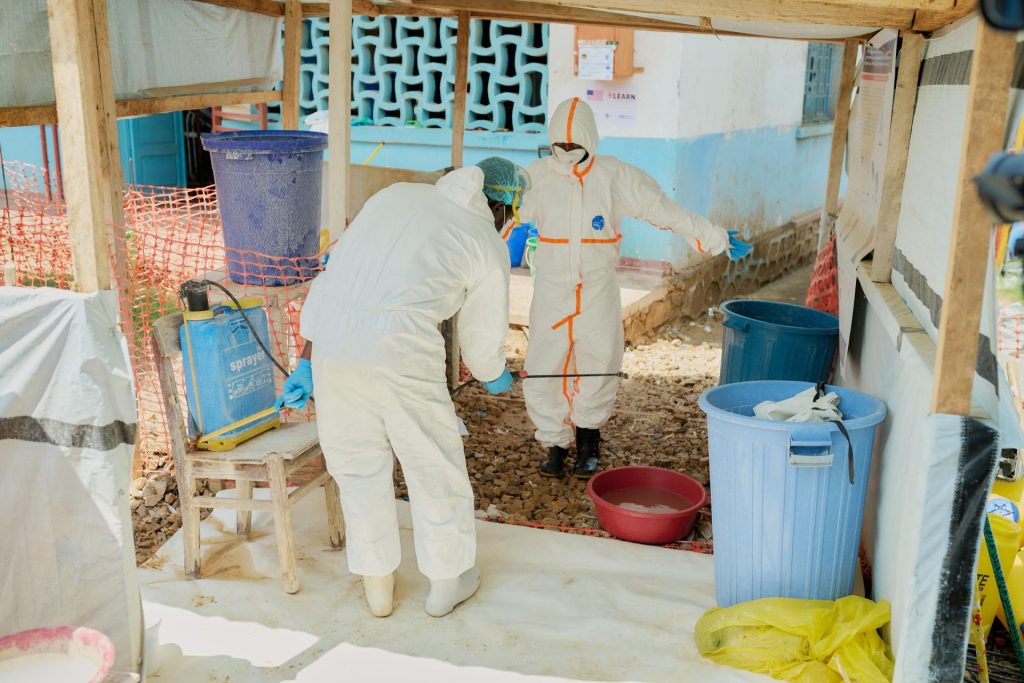
The ongoing Bundibugyo virus (BDBV) Ebola outbreak in the Democratic Republic of the Congo, with cross-border transmission into Uganda, has exposed major weaknesses in the global medical countermeasure system. Governments, Africa CDC, WHO, manufacturers, researchers and financing partners are accelerating the development and deployment of diagnostics, vaccines, therapeutics and PPE, but funding remains slow and heavily dependent on emergency mobilisation.
The outbreak highlights the lack of predictable, sustainable financing and routine systems to develop, manufacture, procure, stockpile and rapidly deploy MCMs before crises occur. Key gaps include the absence of near-point-of-care BDBV diagnostics, fragmented PPE markets, limited decentralised manufacturing and weak purchasing power in affected regions.
Authors who include Victor J Dzau, President of the National Academy of Medicine, Dr Jean Kaseya, Director General of Africa Centres for Disease Control and Prevention, Professor Benedict O. Oramah, board member of The African Medical Centre of Excellence. John-Arne Røttingen,Chief Executive Officer, Wellcome among othersargue that governments must act on recommendations from the G20 High Level Independent Panel on Financing the Global Commons. Sustainable financing mechanisms which may be considered in the global health architecture are needed not only to control the current Ebola outbreak but also to ensure Africa and the wider world can respond rapidly to future threats such as Ebola and Marburg.
Link | https://www.thelancet.com/journals/lancet/article/PIIS0140-6736(26)01768-X/fulltext