Hantavirus disease is a zoonotic viral disease caused by hantaviruses, a group of viruses primarily carried by rodents. Humans become infected mainly through inhalation of aerosols contaminated with virus from infected rodent urine, droppings, or saliva, or through direct contact with these materials. In some settings, bites from infected rodents may also pose a risk.
While hantavirus disease is not commonly reported in Africa, it is of global public health importance due to its potential to cause severe illness, including Hemorrhagic Fever with Renal Syndrome (HFRS) and Hantavirus Pulmonary Syndrome (HPS), both of which can be life-threatening without prompt medical care.
There is currently no specific treatment or widely available vaccine for hantavirus disease. Clinical management focuses on early detection, supportive care, and timely access to intensive medical treatment for severe cases. Prevention remains the most effective approach, centered on reducing human exposure to rodents and their excreta through improved environmental sanitation, safe food storage, and proper housing conditions.
For Africa, strengthening community awareness, surveillance systems, and infection prevention and control measures is essential to ensure early detection of cases and preparedness for potential outbreaks. Health authorities are encouraged to maintain a high level of vigilance, particularly in settings where human–rodent contact may increase due to environmental or occupational exposure.
This page provides key information on hantavirus disease, including transmission, signs and symptoms, prevention and control measures, and public health guidance for Member States and partners.
Key Facts
What
Hantavirus disease is a zoonotic viral disease caused by hantaviruses, a group of viruses primarily carried by rodents.
Where
While hantavirus disease is not commonly reported in Africa, it is of global public health importance.
Transmission
Humans become infected mainly through inhalation of aerosols contaminated with virus from infected rodent urine, droppings, or saliva, or through direct contact with these materials.
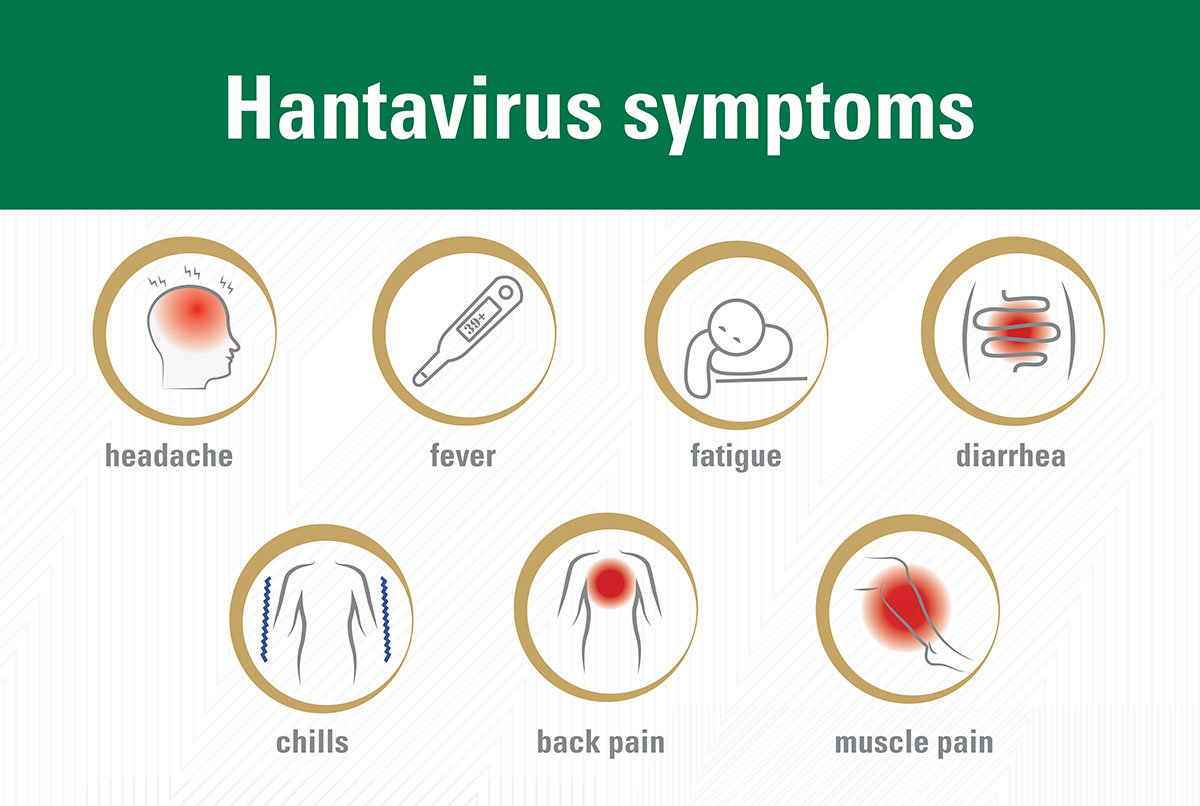
Symptoms
Initial symptoms are non-specific and may include fever, headache, myalgia, fatigue, dizziness,
nausea, vomiting, or abdominal pain.
Treatment
Clinical management focuses on early detection, supportive care, and timely access to intensive medical treatment for severe cases.
Prevention
Prevention remains the most effective approach, centered on reducing human exposure to rodents and their excreta through improved environmental sanitation, safe food storage, and proper housing conditions.
Vaccines
There is currently no specific treatment or widely available vaccine for hantavirus disease.
Factsheet
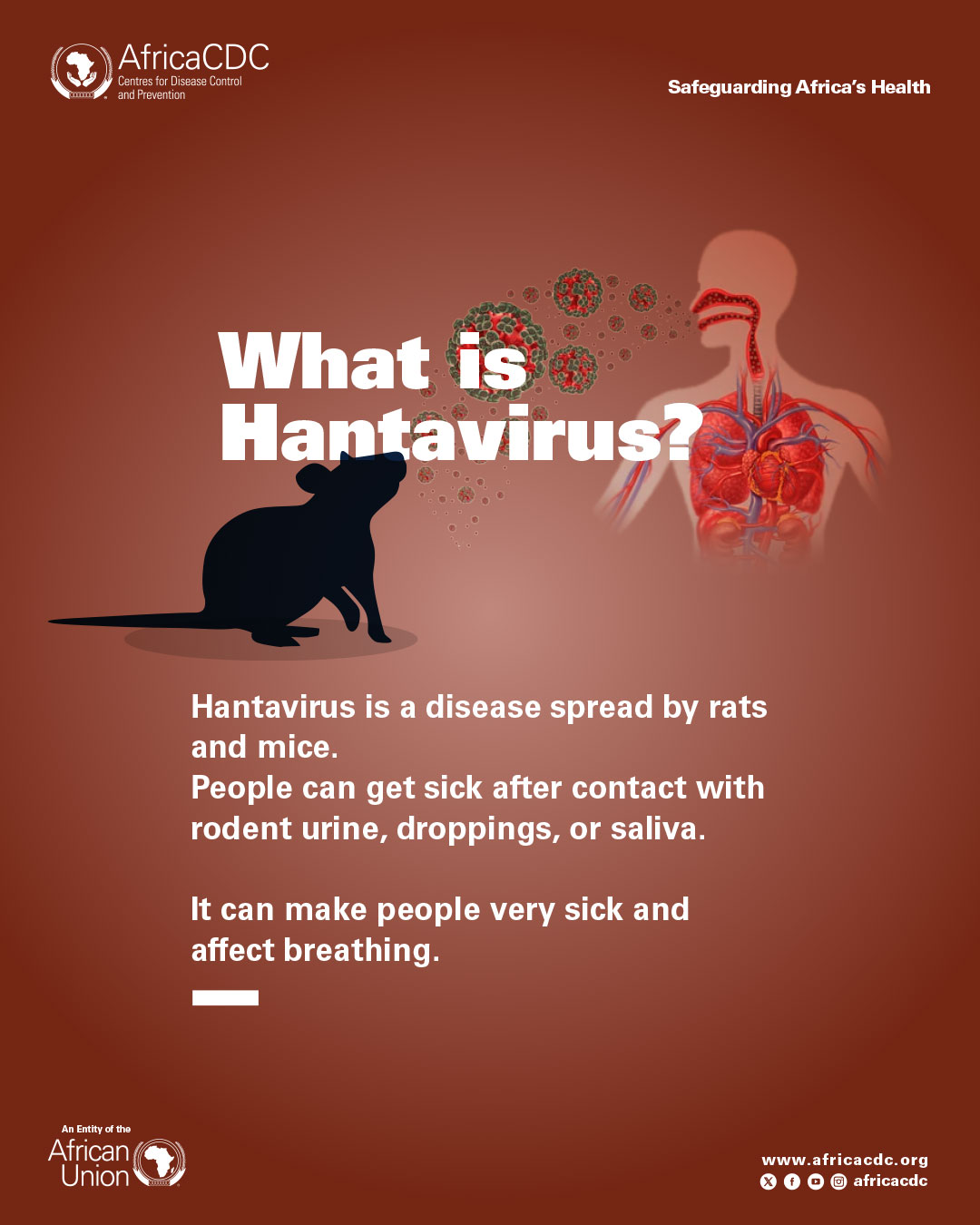

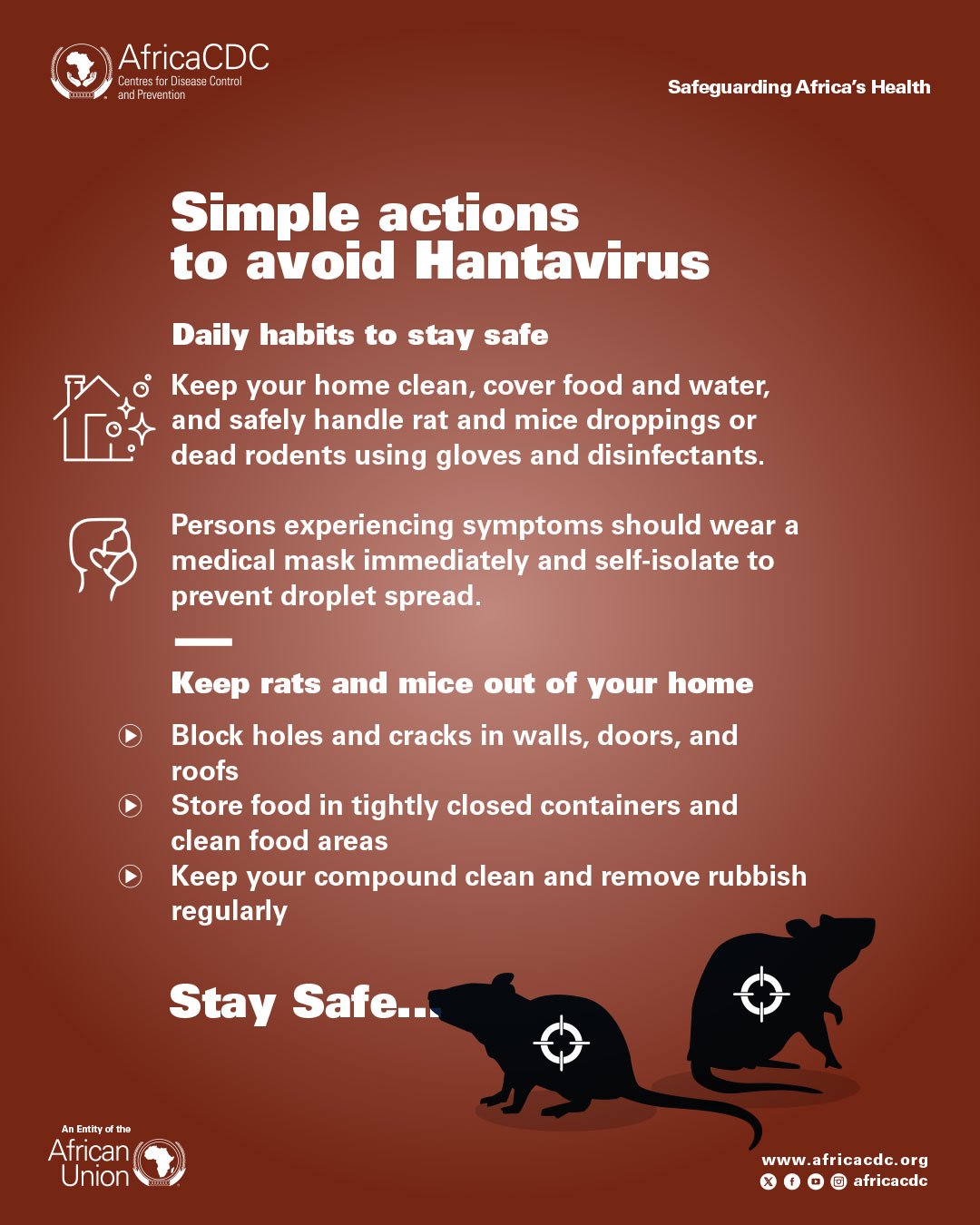
Download the Africa CDC factsheet that explains everything you need to know about Hantavirus.
Frequently Asked Questions
Hantavirus disease is a zoonotic viral disease caused by hantaviruses, a group of viruses primarily carried by rodents. Humans become infected mainly through inhalation of aerosols contaminated with virus from infected rodent urine, droppings, or saliva, or through direct contact with these materials. In some settings, bites from infected rodents may also pose a risk.
Initial symptoms are non-specific and may include fever, headache, myalgia, fatigue, dizziness,
nausea, vomiting, or abdominal pain.
Patients may rapidly progress within 24–48 hours to severe cough, dyspnea, pulmonary edema,
hypoxia, cardiogenic shock, and respiratory failure.
Clinical progression may include hypotension, thrombocytopenia, hemorrhagic manifestations,
acute kidney injury, oliguria followed by polyuria.
Severe disease is associated with endothelial dysfunction, capillary leakage, and multiorgan
involvement.
There is currently no specific treatment or widely available vaccine for hantavirus disease. Clinical management focuses on early detection, supportive care, and timely access to intensive medical treatment for severe cases. Prevention remains the most effective approach, centered on reducing human exposure to rodents and their excreta through improved environmental sanitation, safe food storage, and proper housing conditions.
Hantavirus Updates