Date: 5 May 2026
The Africa Centres for Disease Control and Prevention (Africa CDC) is closely monitoring reports of a cluster of hantavirus infections identified among individuals travelling on the international cruise ship MV Hondius, which departed Ushuaia, Argentina, on 20 March 2026 for the Canary Islands via Cabo Verde.
On 2 May 2026, a cluster of severe respiratory illness was reported among passengers aboard the vessel, which carried a total of 147 individuals, including crew. As of 4 May 2026, seven cases of hantavirus infection have been identified (two laboratory-confirmed and five suspected cases). Among these, three fatalities have been recorded; one patient remains in critical condition under medical care in South Africa, and three individuals are experiencing mild symptoms.
Symptom onset ranged from 6 to 28 April 2026 and was characterised by fever and gastrointestinal symptoms, followed by rapid progression to pneumonia, acute respiratory distress syndrome and shock. The index case died on 11 April 2026 while on board; the remains are currently in Saint Helena pending repatriation to the Netherlands.
Authorities from Cabo Verde, the Netherlands, Spain, South Africa and the United Kingdom have initiated a coordinated international response, including case investigation, isolation and clinical management, medical evacuation and laboratory testing.
Laboratory confirmation has been conducted at the National Institute for Communicable Diseases (NICD) in South Africa. Further analyses, including serology, sequencing and metagenomics, are ongoing.
Hantaviruses are primarily transmitted to humans through contact with infected rodent excreta, saliva or urine and are not typically associated with sustained human-to-human transmission. However, the clustering of cases among travellers in a confined environment warrants heightened vigilance and further investigation to determine the source and mode of exposure.
Africa CDC is closely monitoring the situation and remains in contact with affected countries to provide support as needed.
At this time, the outbreak appears confined to the cruise ship, with no evidence of transmission within African countries. The risk to the general public remains low. Nonetheless, Africa CDC advises Member States to strengthen port health services, reinforce infection prevention and control measures, and ensure timely reporting of suspected cases.
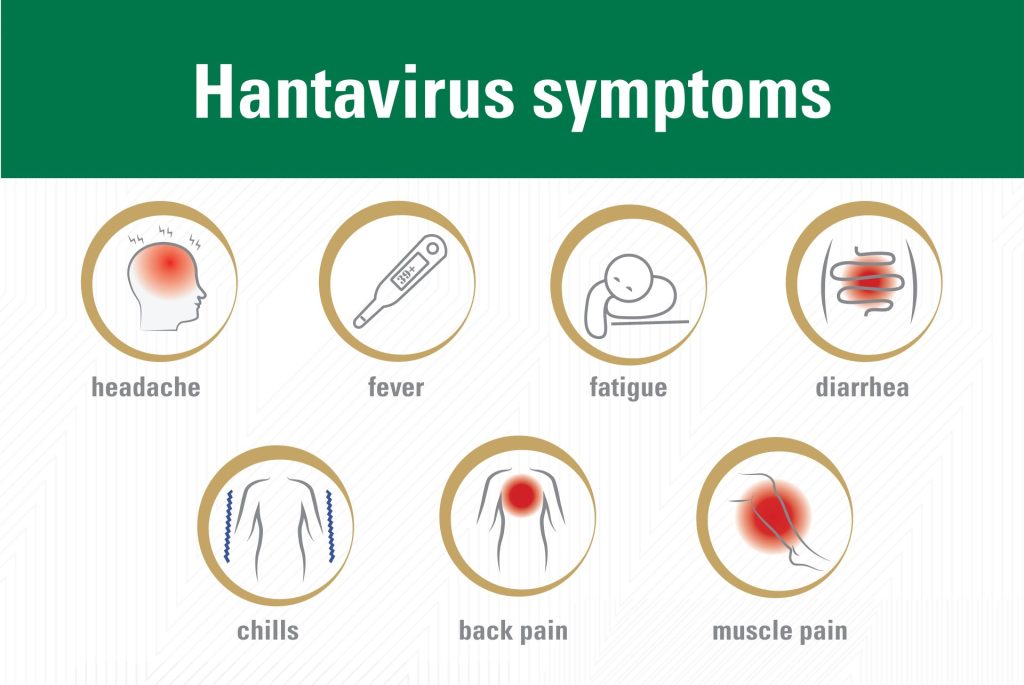
Travellers are encouraged to practise good hygiene, avoid contact with rodents or potentially contaminated environments, and seek medical attention if they develop symptoms such as fever, fatigue, muscle aches or respiratory difficulty following travel.
Africa CDC will continue to provide updates as more information becomes available.
.