
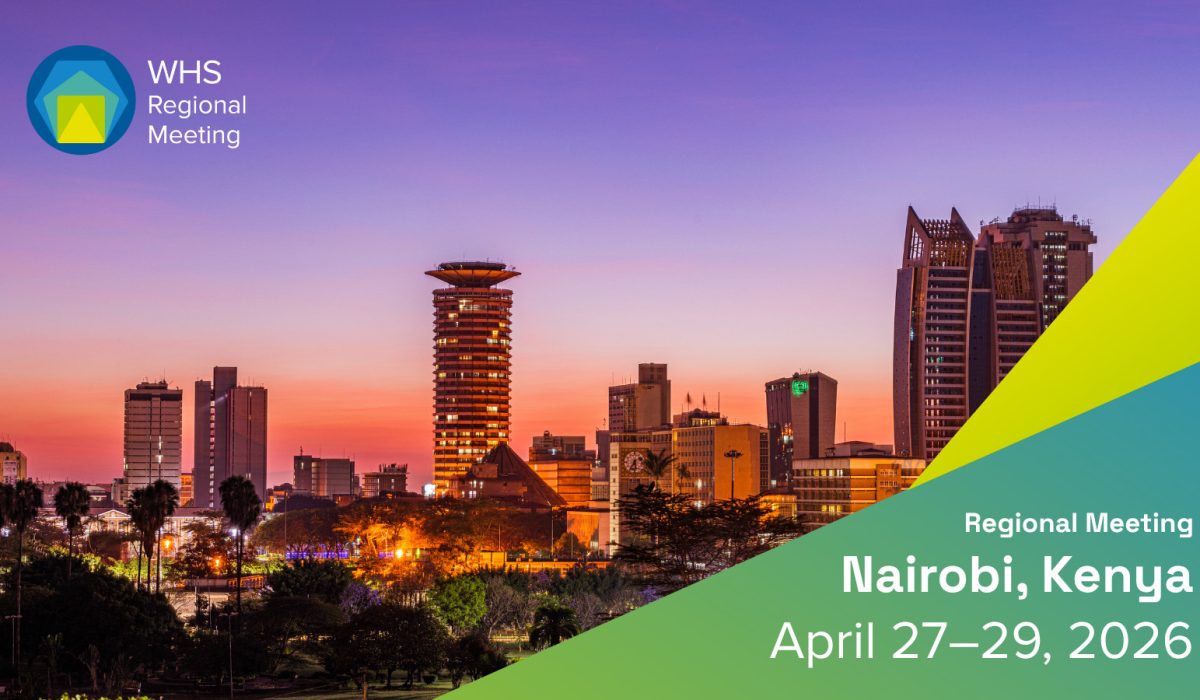
Africa CDC joins the World Health Summit Regional Meeting in Nairobi from 27 to 29 April 2026 at a defining moment for the continent’s health systems. With external development assistance declining, structural financing gaps widening, and the burden of disease remaining disproportionate, Africa’s response requires both speed and sovereignty, solutions led by African institutions, anchored in domestic priorities, and supported through genuine partnerships.
Across three days, Africa CDC convenes four high-level sessions that translate political commitment into operational delivery: on the reform of global health architecture, on the financing of Africa’s health systems, on accelerating universal health coverage through multisectoral action on non-communicable diseases, and on the launch of the Continental Immunisation Strategy. Alongside the formal programme, Africa CDC will sign two Memoranda of Understanding that deepen regional coordination and frontline delivery.
Every conversation at WHS 2026 is designed to move from intention to implementation, with Ministers of Health, continental institutions, development partners, and technical leaders working together on the reforms that will shape Africa’s public health future through 2030 and beyond.
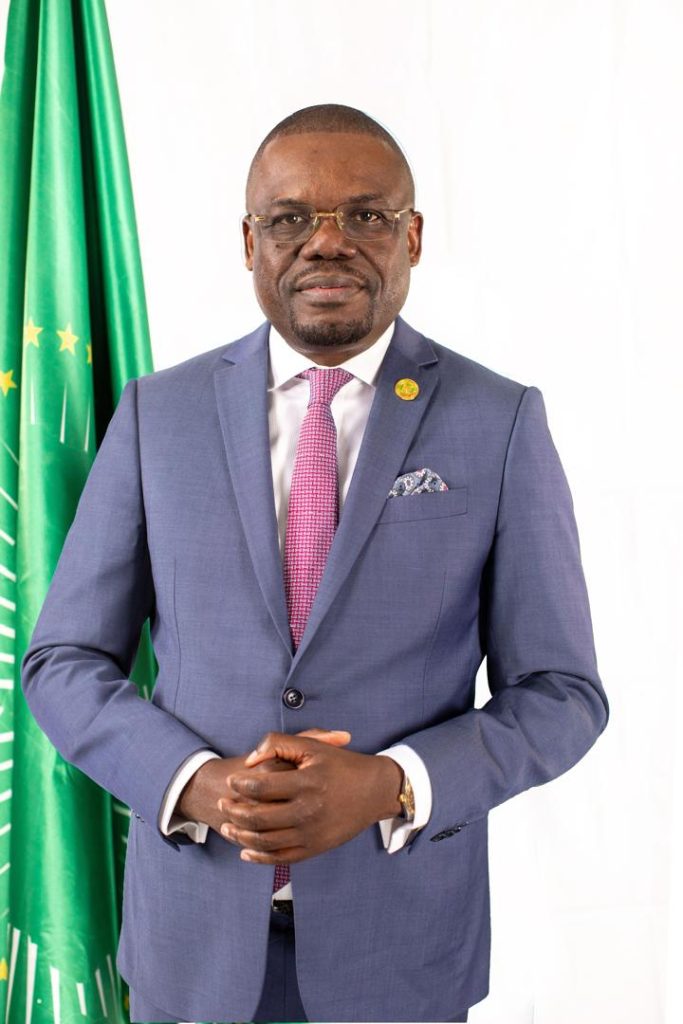
Director General, Africa CDC
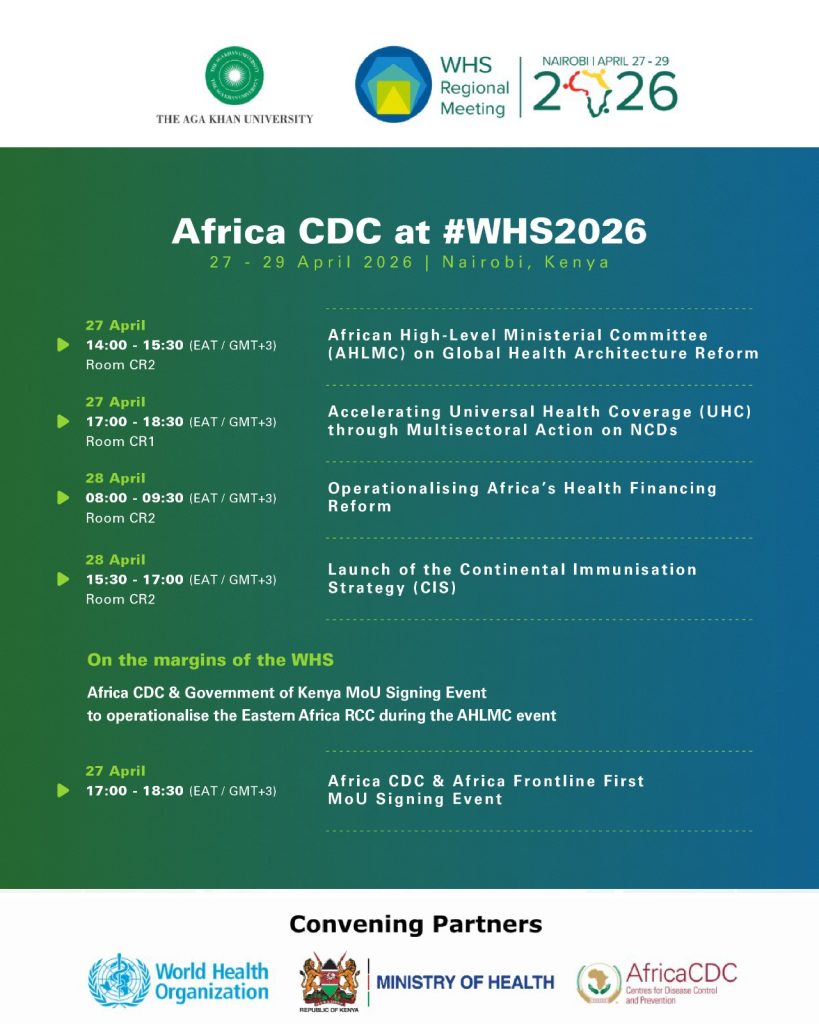
Programme
Four high-level Africa CDC sessions across 27–28 April. Each is a working session designed to surface real implementation, not a formal presentation.
African High-Level Ministerial Committee (AHLMC) on Global Health Architecture Reform
- 27 April • 14:00–15:30 EAT
- Room CR2
Africa’s voice in reshaping a more equitable global health system
Ministers of Health from across the continent convene to advance Africa’s position on the reform of the global health architecture, one that reflects the continent’s disease burden, institutional capacity, and leadership. The session builds on the continental advocacy agenda set out through the AU and translates it into a coordinated negotiating platform ahead of the next World Health Assembly.
Accelerating Universal Health Coverage through Multisectoral Action on NCDs
- 27 April • 17:00–18:30 EAT
- Room CR1
Africa CDC’s leadership through MECA and SPARK-NCDs.
Non-communicable diseases, injuries, and mental health conditions are driving catastrophic out-of-pocket spending and deepening poverty across Africa. Following the adoption of the AU Common Position on NCDs, Injuries and Mental Health, this session spotlights Africa CDC’s MECA Framework and the flagship SPARK-NCDs initiative, turning political commitment into coordinated, cross-sectoral country action. Convened by Africa CDC with Ministers of Health, development partners, and leading NCD experts.
From Commitment to Implementation: Operationalising Africa’s Health Financing Reform
- 28 April • 09:30–11:30 EAT
- Room CR2
Ministerial dialogue on closing the fiscal space for health.
Africa carries roughly 22% of the global disease burden with only 1% of global health expenditure. With external development assistance declining, the dialogue convenes Ministers of Health from Nigeria, Morocco, Malawi, Senegal, Ethiopia, South Africa, Angola, Côte d’Ivoire, and the Democratic Republic of Congo, alongside partners from the European Commission, the German Federal Ministry for Economic Cooperation and Development, WHO, and the Netherlands. Africa CDC’s Director General will set out the Health Financing Reform Handbook and announce plans for the Africa Health Sovereign Fund.
Launch of the Continental Immunisation Strategy (CIS)
- 28 April • 15:30–17:00 EAT
- Room CR2
A unified continental roadmap to accelerate equitable, resilient, and sustainable immunisation.
Africa CDC leads the official launch of the Continental Immunisation Strategy, co-developed with the African Union Commission, UNICEF, WHO, Gavi (The Vaccine Alliance), and PATH, and informed by the Africa CDC–UNICEF Review of Immunisation in Africa (RIA). The CIS articulates six practical shifts underpinning the path to 2030: stronger country ownership and sustainable domestic financing; integration of immunisation within primary health care; a focus on equity and reaching zero-dose populations; digital transformation and data use; local manufacturing, pooled procurement, and supply chain resilience; and epidemic-ready surveillance and response. The launch provides a high-visibility political platform to galvanise multisectoral leadership and agree on an accountability compact for results by 2030.
ON THE MARGINS OF WHS 2026
Beyond the formal programme, Africa CDC will formalise two strategic partnerships that operationalise Africa’s regional and frontline health capacity.
Africa CDC and Government of Kenya — MoU Signing
- 27 April
- On the margins of the AHLMC
Operationalising the Eastern Africa Regional Collaborating Centre.
Africa CDC and the Government of Kenya formalise the host country arrangements for the Eastern Africa Regional Collaborating Centre, a decisive step in decentralising continental public health capacity and strengthening regional coordination across East Africa.
Africa CDC and Africa Frontline First — MoU Signing
- 27 April • 17:00–18:30 EAT
Strengthening frontline health systems and workforce.
A new partnership between Africa CDC and Africa Frontline First advancing joint support to community health workforce, primary health care delivery, and last-mile service provision across Member States.
KEY THEMES
Africa CDC’s engagement at WHS 2026 advances five interconnected priorities:
Health Sovereignty
Sustainable Financing
Universal Health Coverage
Immunisation for All
Global Health Architecture Reform
STRENGTHENING PARTNERSHIPS FOR IMPACT
The complexity of today’s health challenges requires coordinated, African-led action, backed by trusted global partnerships. Africa CDC’s engagement at WHS 2026 is built in collaboration with the African Union Commission, the Government of Kenya, UNICEF, WHO, Gavi, The Vaccine Alliance, PATH, the European Commission, the German Federal Ministry for Economic Cooperation and Development, the Center for Global Health Diplomacy, Africa Frontline First, Novo Nordisk Foundation, World Diabetes Foundation, and Ministries of Health across the continent.
Each session at WHS 2026 is designed to convert shared priorities into concrete commitments, with measurable milestones for the next 12 months.

LOOKING AHEAD
The World Health Summit Regional Meeting is a working platform, not a ceremonial one. Africa CDC’s priority is to convert the conversations in Nairobi into measurable action in Member States, in Regional Collaborating Centres, and in partnership with global institutions.
In the weeks following WHS 2026, Africa CDC will publish session outcomes, policy briefs, and a detailed summary of commitments made, holding the continent to the collective agenda we shape this week.
STAY CONNECTED
- @AfricaCDC
- @AfricaCDC
- Africa CDC
- Africa CDC