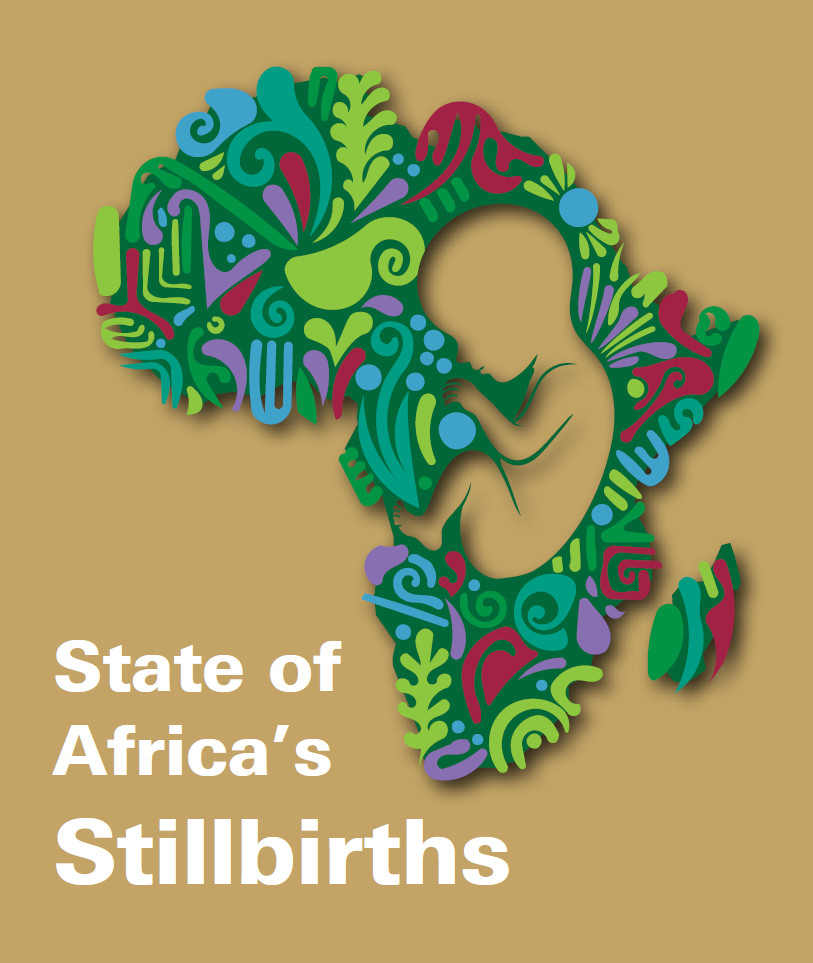
State of Africa’s Stillbirths

Executive Summary

Stillbirth is Africa’s silent epidemic and one of the clearest indicators of health system failure.

Every 30 seconds, a baby is stillborn on the continent. In 2023 alone, nearly one million third trimester stillbirths occurred across Africa – most are preventable. Countries cannot claim progress toward health security or universal health coverage while rates remain high and unexplained. Without accelerated action, five million stillbirths will occur between 2026 and 2030.

The State of Africa’s Stillbirths Report calls for urgent action to transform these losses into a catalyst for strengthening health systems and advancing Africa’s health security and resilience.

Why this report

Stillbirths are among the most sensitive indicators of health system performance. Africa’s Health Security and Sovereignty Agenda aims to strengthen Africa’s capacity to prevent, detect, and respond to health threats through resilient, self-reliant health systems. Stillbirths expose weaknesses in quality of care, surveillance, and emergency readiness, which are the same system capacities required to protect populations during outbreaks, crises, and routine care. Yet, stillbirth remains largely invisible in policy, financing, and accountability frameworks. This landmark Africa-led report provides the first continent-wide stock take dedicated exclusively to stillbirths with a call to action, which was developed by more than 80 African experts from over 20 countries.

The Burden

Africa accounts for roughly half of the global burden of stillbirths, with nearly one million losses each year. Half occur during labour, often within health facilities, signalling preventable failures in the quality of care at a period when risk is highest. Africa’s intrapartum stillbirth rate is more than 40 times higher than that of Europe. While some countries have reduced stillbirth rates, progress has been slow. Africa experiences nearly the same number of stillbirths today as in 2000.

The Drivers

Stillbirths persist because women and families face avoidable medical conditions driven by cultural, social, systemic, and structural barriers to timely, high-quality care. Shortages of skilled health workers, limited emergency obstetric services, weak supply chains, and delayed referrals continue to compromise care. Policy, data, and implementation gaps are a challenge with only 44% of African countries reporting a national stillbirth target.

The Impact

Stillbirth causes cascading harm beyond the loss of a baby. It increases risks in subsequent pregnancies, contributes to long-term physical and mental health consequences for women and families, fuels burnout and attrition among health workers, and signals fragile health systems. Stillbirth incurs significant economic costs through lost productivity, increased healthcare needs, and reduced human capital, undermining broader social and economic development.

Download Files
FileAction
State of Africa’s Stillbirths – Policy BriefDownload
State of Africa’s Stillbirths – ReportDownload

24 March 2026

Resource Type
Themes
Mortality Surveillance, Surveillance and Disease Intelligence
Keywords
Africa’s Stillbirths